Celluloid in Square Tables: A Fusion of Unique Materials and Practical Value
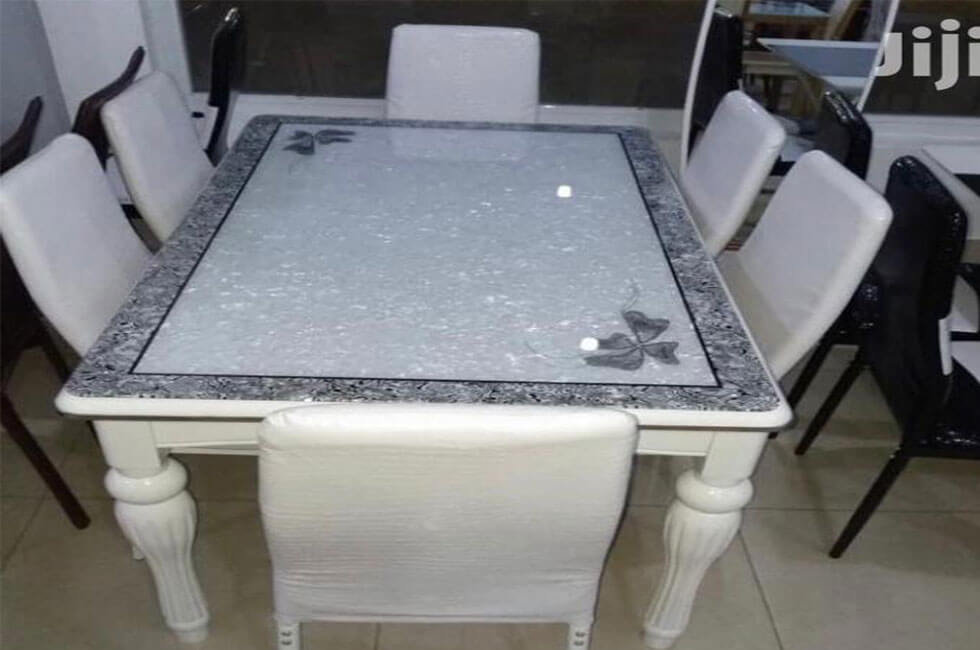
Celluloid can be used on square tables, combining materials like metal and wood through techniques like simulating natural textures, geometric inlays, and relief carvings, creating a versatile look that complements both retro and modern styles. The following are specific examples and design analysis:
1. Industrial Retro Style: A Rugged, Mechanical Slice of Time
Case Study
In an industrial loft space, celluloid creates a rugged texture by colliding with a metal frame through its simulated rust texture:
Celluloid Applications:
Tabletop Design: Utilizes a 1.5mm thick simulated rust celluloid veneer, sprayed with a matte varnish to simulate the mottled effect of oxidized metal. Hand-trimmed edges are retained to enhance the rugged feel.
Leg Structure: With an exposed steel tube frame, the welds between the celluloid veneer and the metal are filled with black silicone, creating a visually striking “material patchwork.” For added functionality, a wireless charging module can be embedded into the tabletop, concealed beneath the celluloid. Key Details: Copper rivets inlaid on the four corners complement the distressed texture of the celluloid, creating a “robot-punk” aesthetic. Paired with a leather storage box and a vintage typewriter, the table enhances the industrial feel.
Space Matching:
Place the square table in a studio or living room, paired with a leather sofa and wrought iron bookshelves, while retaining the original cement wall texture. For a softer effect, cover the celluloid with a layer of transparent resin to create a double contrast between the smooth texture and the distressed texture.
II. A New Interpretation of Chinese Retro Style: A Modern Reinterpretation of Ink Painting
Case Study
In a new Chinese teahouse or study, celluloid can be combined with rosewood through traditional inlay patterns to create a sense of cultural heritage:
Celluloid Applications:
Tabletop Inlay: Create a square groove in the center of the rosewood table and insert a blue and white celluloid blue and white porcelain pattern (2mm thick). The pattern can replicate Ming Dynasty lotus patterns or Qing Dynasty landscapes. Fill the edges with matching glue and polish to create a “porcelain panel painting” effect. Edge Decoration: A 1cm wide celluloid strip with a circular pattern is applied to the edge of the table. Choose a dark brown or dark red color to blend in with the calming tones of the mahogany. For a more refined touch, brass patches can be added to the circular pattern to enhance the luxurious feel.
Leg Carving: A plum, orchid, bamboo, and chrysanthemum pattern is carved into the sides of the square legs (3mm thick). After cutting, it is secured with screws. Paired with the ink scroll painting on the wall, it creates an oriental aesthetic of “changing scenery with every step.”
Space Matching:
The square table is paired with an armchair and a blue brick floor, and calligraphy works are hung on the wall. For a modern touch, LED light strips can be embedded beneath the celluloid, creating a magical “floating porcelain plate” effect at night. III. Nordic Style: A Light Expression of Natural Textures
Case Study
Ⅲ.In a Nordic-style living room or dining room, celluloid creates a warm, textured feel through a wood-grain veneer combined with a solid wood frame:
Celluloid Applications:
Tabletop Design: A 0.8mm faux oak-grain celluloid veneer is applied to a pine base, preserving the wood’s natural knots and grain. The edges are trimmed with a 0.5cm wide light gray silicone strip to complement the white latex paint on the wall.
Leg Structure: Cylindrical solid wood legs are used. The joints between the celluloid veneer and the wood are sealed with matching glue to prevent cracking. For a more transparent feel, transparent celluloid can be used to cover the wood grain, enhancing the “floating” effect.
Embellishing Details: Circular celluloid pieces (2cm diameter) are affixed to the four corners of the tabletop in a light yellow or pale green color, mimicking the natural appearance of solidified pine resin and creating a natural, elegant contrast with the greenery and cotton and linen curtains. Space Design:
A square table is placed by the window, paired with rattan dining chairs and a wool rug. Nordic-style geometric paintings hang on the wall. For added functionality, a pull-out tray can be added beneath the tabletop to hold tea sets or magazines.
IV. Modern Minimalist Style: The Ultimate Conciseness of Geometric Lines
Example Scenario
In a minimalist space, celluloid, combined with a transparent covering and metal frame, creates a sense of lightness:
Celluloid Applications:
Tabletop Design: 1mm transparent celluloid is used to cover the walnut grain, preserving the wood’s natural texture while enhancing the sense of transparency. For an artistic touch, thin metal strips can be embedded beneath the celluloid to create diagonal or checkerboard patterns.
Leg Structure: Brass X-shaped metal legs create a contrast between the cool, hard texture of the celluloid and the metal. Square celluloid legs (3cm thick) can be heat-bent to create streamlined curves, echoing the “S-shaped” curves of medieval furniture. Key Details: The table edge is inlaid with a matte black celluloid strip (0.5cm wide), enhancing the tabletop’s layered feel and creating a unified color scheme with the black leather sofa and metal pendant lamp.
Space Matching:
Place the square table in an open kitchen or living room, paired with acrylic dining chairs and a white quartz island. Large expanses of white latex paint accentuate the celluloid’s translucency. For smaller spaces, opt for a mini square table with 1.2m sides and thin metal legs to avoid a sense of oppression.
V. Pop Art Style: A Visual Feast of Colliding Colors
Case Study
In modern art spaces, celluloid is combined with resin through the use of highly saturated color blocks to create a trendy look:
Celluloid Applications:
Tabletop Design: 3mm-thick celluloid sheets are cut into red, yellow, and blue squares, then assembled in a checkerboard pattern onto a base of medium-density fiberboard. The surface is then covered with a 2mm-thick layer of transparent resin, creating a contrast between the smooth texture and the three-dimensional color blocks. Leg Structure: The black metal frame is paired with a matching glue to fill the joints between the celluloid and the metal, enhancing the overall look. For a more playful effect, the legs can be designed with gradient celluloid cylinders to complement the color block of the tabletop.
Contact our team
If you are interested in our article after reading it, please do not hesitate to send us an email to express your thoughts.