The Oldest Plastic-Celluloid
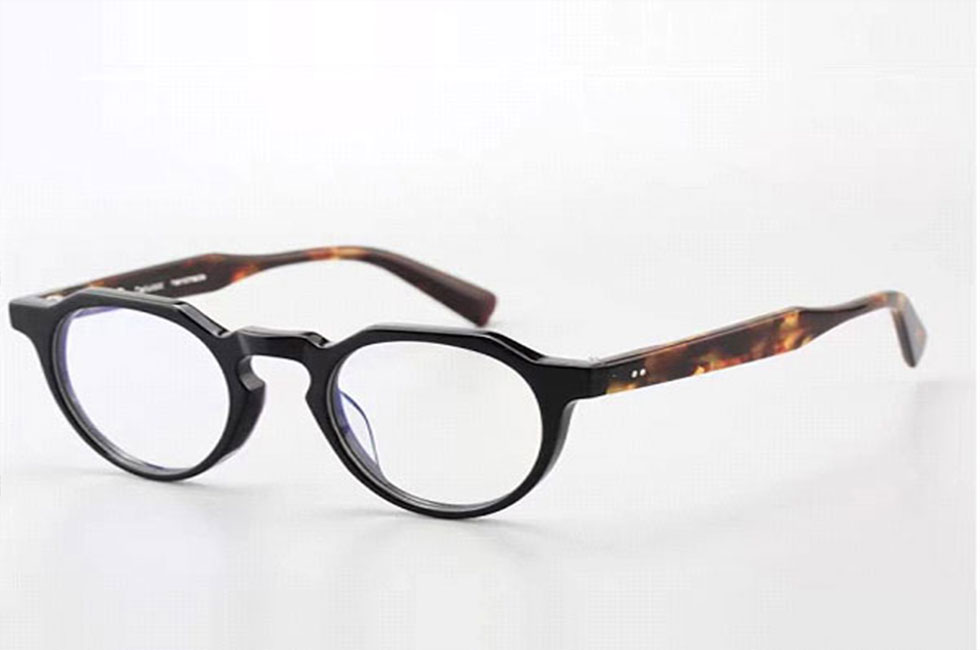
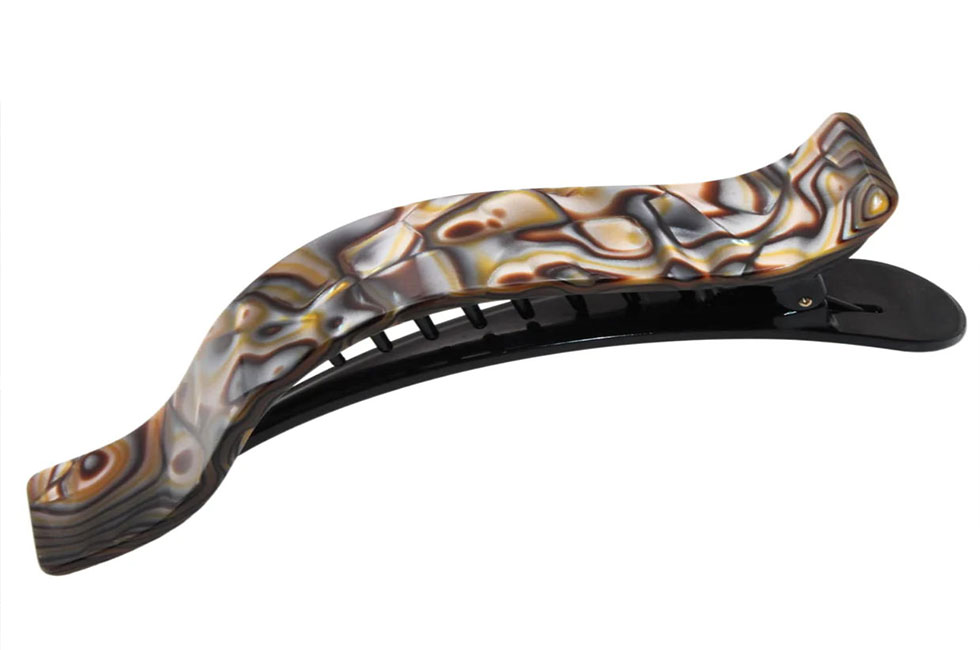
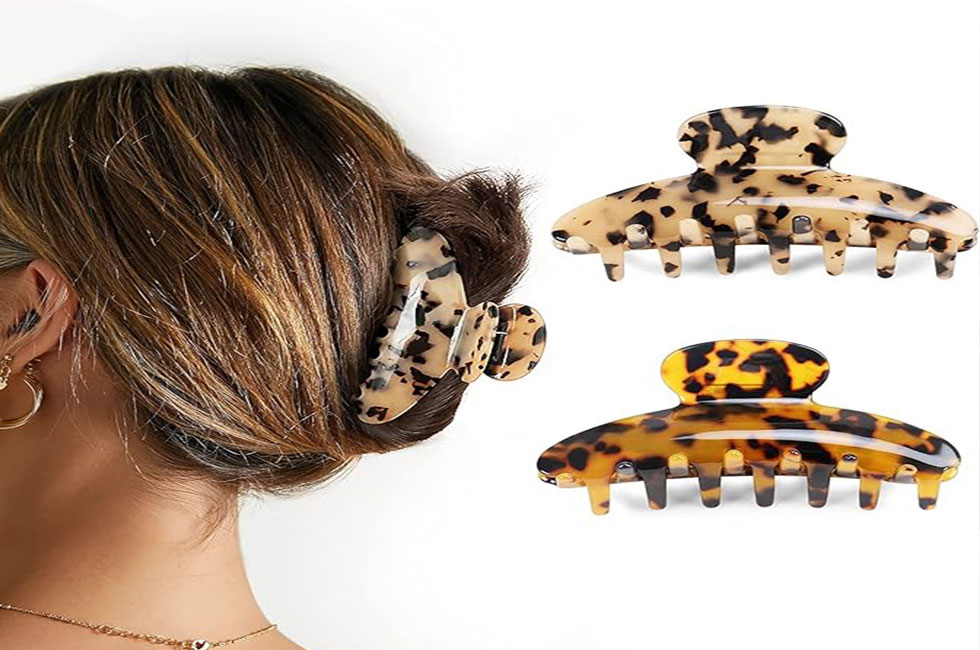
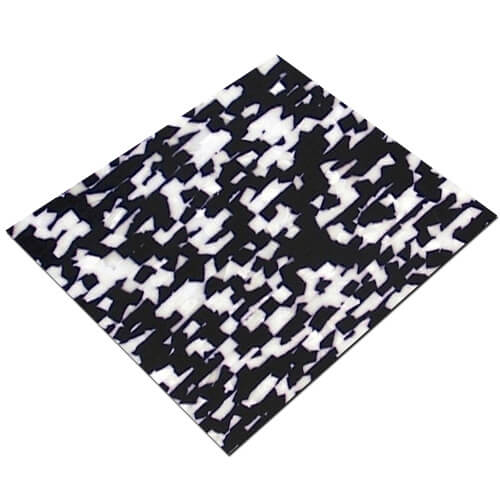
Celluloid is the ancestor of plastics and the earliest thermoplastic resin invented in history. because it’s derived from cellulose, it’s also called “cellulose nitrate plastic.” it’s a synthetic resin made by esterifying natural cellulose from cotton linters, other grasses, and wood with nitric acid. then, 20-30% plasticizers (primarily camphor), lubricants, and dyes are added. translucent in nature, it can be dyed in various colors and burns easily. it’s used in toys, stationery, ping-pong balls, jewelry, headwear, eyeglass frames, umbrella handles, musical instruments, and more.

The invention of celluloid
The discovery of nitrocellulose began in 1845 when Swiss chemist Johann Schönbein accidentally touched concentrated sulfuric acid and nitric acid on his desk while conducting an experiment at home. He hurriedly picked up his wife’s cloth apron to wipe the acid mixture off. After a flurry of activity, he hung the apron over the stove to dry. Unexpectedly, it burst into flames with a “poof,” instantly reducing it to ash. Cybertron returned to the laboratory with this “significant discovery,” only to find repeated “accidents.” After repeated experiments, Cybertron finally discovered the cause: the apron’s primary component was cellulose, which, when in contact with the mixture of concentrated nitric and sulfuric acids, formed cellulose nitrate, or nitrocellulose.
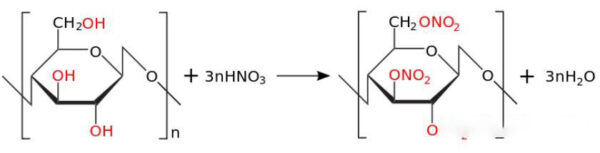
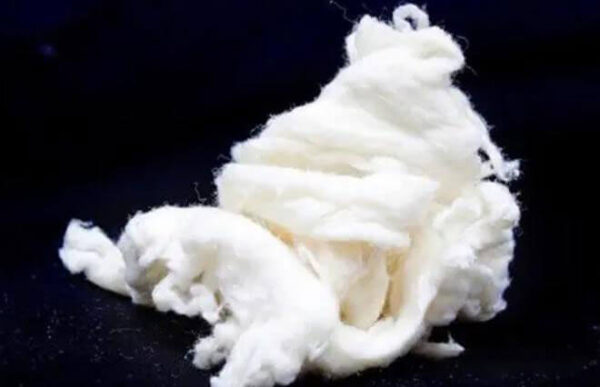
Because it is flammable and explosive, nitrocellulose earned the name guncotton. Guncotton not only has an explosive power two to three times greater than black powder, but also produces no black smoke. Therefore, nitrocellulose has long been used as a smokeless gunpowder. Of course, nitrocellulose remained quite dangerous as a gunpowder until Nobel invented safe dynamite, which replaced it.
Shortly after the discovery of guncotton, it was discovered that dissolving guncotton in ether formed a colloid-like liquid. When the ether was evaporated, a plastic, colloid-like substance remained. This substance is collodion.
The development of film
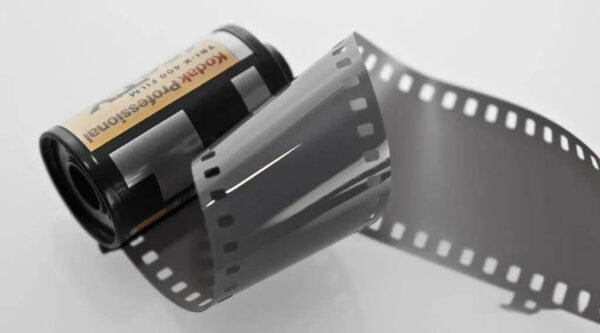
Film is also an imaging material. Early film used glass as its base. As industrial technology matured, thinned plastic sheets replaced glass by the late 19th century. The film substrate evolved from glass to nitric acid, then acetate, and finally polyester (PET). Initially, metal and paper were used as film substrates, but later, glass began to replace them. One of the earliest to experiment was Niepce’s cousin, Niepce Saint-Victor. After repeated experimentation, Victor finally used sticky egg white as a binder, evenly coating it on a glass plate. He then coated it with a layer of silver iodide, creating a glass plate. The plate was smooth and transparent, held the silver iodide in place, and was sensitive to light. The coated glass plate was loaded into a camera, and the resulting negative was then printed on paper as a positive. This was a major innovation in photography. He applied a patent for this method in 1847. However, the solubility of egg white in photosensitive chemicals is limited, which affects the photosensitivity of the glass film and makes the exposure time too long.
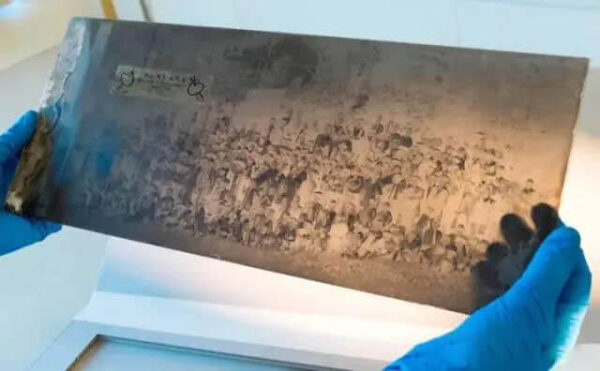
In the 1850s, egg white was replaced by a binder called collodion. Collodion was an ideal binder for photosensitive materials. It was made by dissolving collodion in ether and alcohol. Mixed with a photosensitive chemical, it was applied to glass, which was then placed in a camera for exposure. Immediately after exposure, the image was developed, fixed, and washed, creating a glass negative.
Collodion is similar to rosin and very soft, but its hardness and toughness were issues, limiting its applications. Alexander Parkes, a chemist in Birmingham, England, was not only a chemist but also a photography enthusiast. A solution called “collodion” is often used in photo post-production. One day in 1862, while experimenting with several methods of processing collodion, he tried mixing it with camphor. The result was a hard, bendable material. Parkes named it “Packin” and exhibited it at the London International Exhibition that year. Later, Parkes used “Packin” to make combs, pens, buttons, and other products, and established a company to produce plastics. Parkes himself did not achieve commercial success, but his invention was a success and was adopted and developed by others.
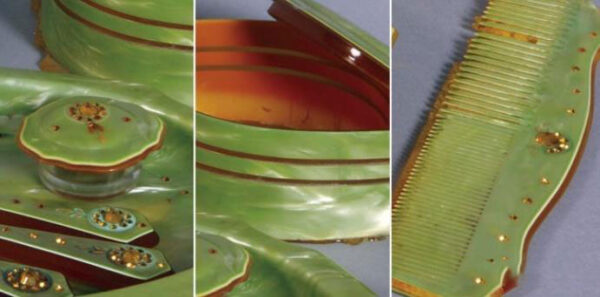
“Celluloid” was the first plastic made by chemical means.
Hyatt found a ready-made market from billiard ball manufacturers, and later used celluloid to create a variety of everyday products: dentures, knife handles, and mirror frames. It was also from celluloid that the first practical photographic film—nitrocellulose—was created. Later, the term “celluloid” became almost synonymous with the film industry. The same year celluloid was introduced, George Eastman invented a celluloid film. He also invented a camera that used celluloid film, which became the well-known Kodak camera.
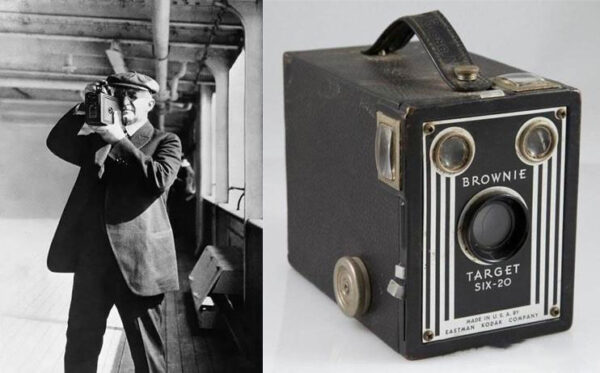
The advent of celluloid significantly improved people’s lives. Celluloid permeated nearly every aspect of daily life, from billiard balls and film to buttons, pearl necklaces, tortoiseshell combs, phone cases, dressing cases, eyeglass frames, children’s toys, and even dentures for the elderly.

Contact our team
If you are interested in our article after reading it, please do not hesitate to send us an email to express your thoughts.