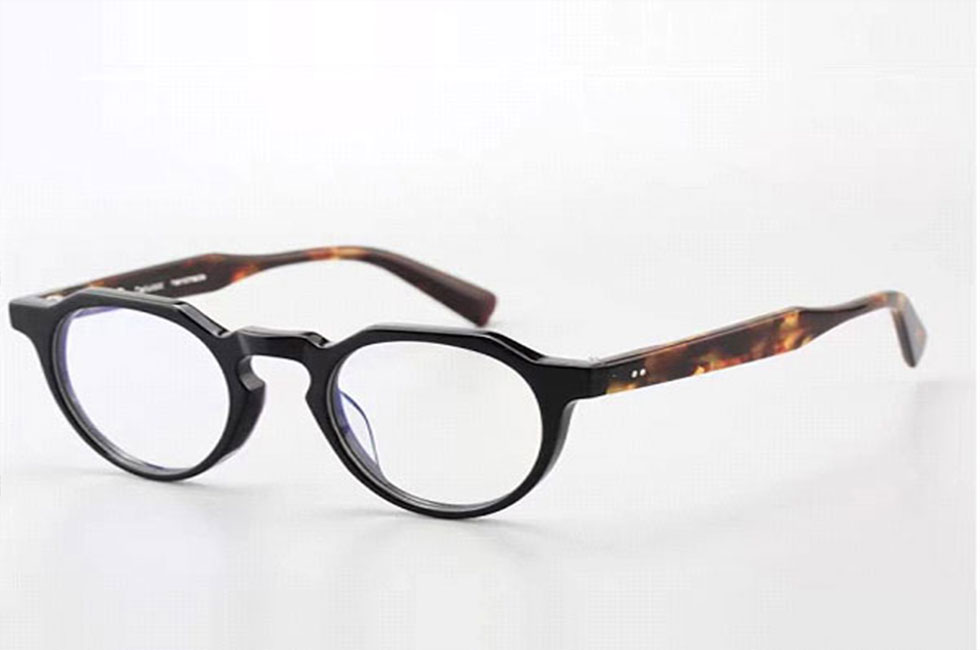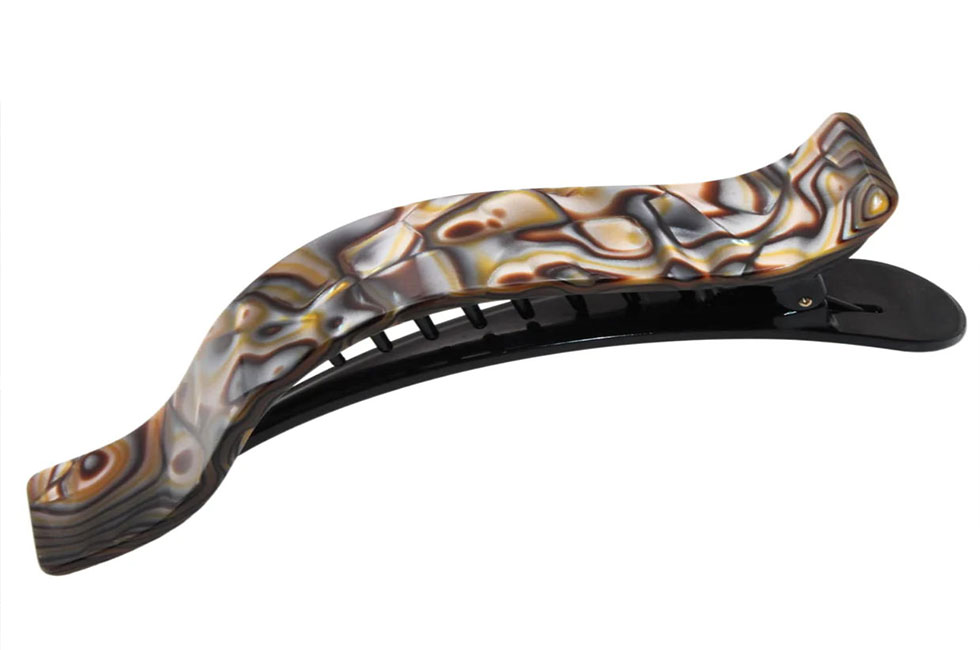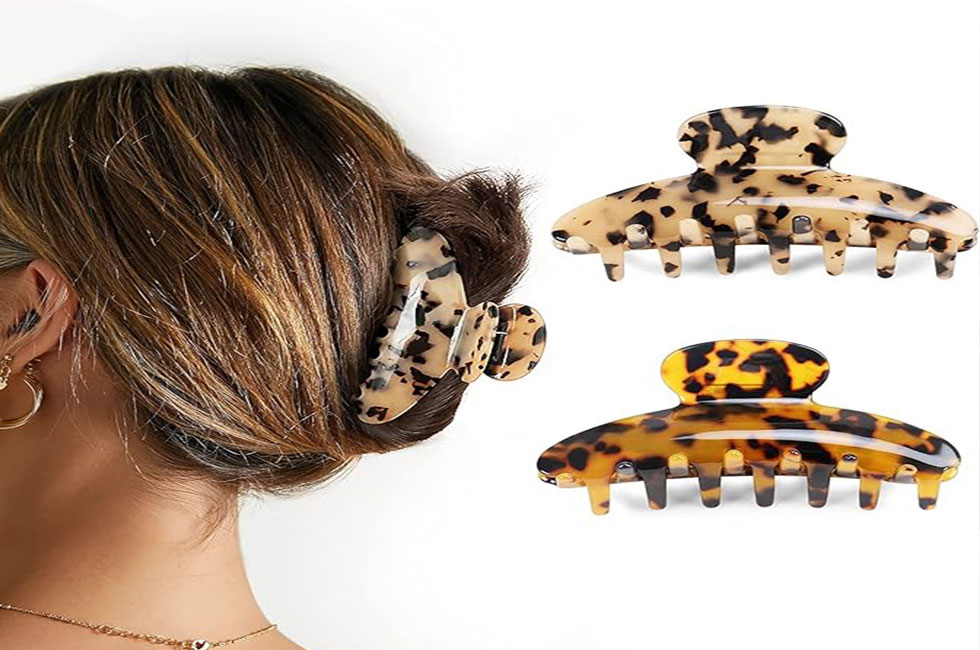
The production process for tortoiseshell floral celluloid film is highly complex. This complexity stems from the unique properties of the material, the fusion of traditional craftsmanship with modern technology, and the stringent requirements for both texture and stability of the pattern. This can be seen in the following key steps:
1. Raw Material Processing: Time-consuming and environmentally sensitive
Celluloid’s primary components are nitrocellulose (10%-12% nitrogen content), camphor (a plasticizer), and dye. The stability of these ingredients directly impacts the quality of the final product, requiring strict control during the processing process:
Raw Material Proportioning and Mixing: Nitrocellulose must first be dissolved in alcohol to form a gel. Then, it must be mixed with camphor (in a ratio of approximately 7:3) at a constant temperature (40-50°C) and stirred for 4-6 hours to ensure uniform blending. A deviation of even 0.5% in the ratio can result in the film being too brittle or too soft.
Natural Aging: The mixed celluloid sheet must be stored in a well-ventilated, light-proof environment at a constant temperature and humidity (20±2°C, 50±5%) for 1-3 years to allow the solvent to evaporate slowly and reduce internal stress. Insufficient aging time can lead to cracking or deformation during subsequent processing.
Impurity Control: Raw materials must be filtered at least three times (with a filter precision of 5-10μm) to prevent residual fibers or particles, which can cause speckled patterns and uneven light transmission.
II. Pattern Forming: A High-Precision Fusion of Handcraft and Technology
The “natural texture” of tortoiseshell floral prints is their core selling point. Simulating and replicating them requires multiple steps and is extremely challenging:
Texture Modeling and Reproduction:
First, a 3D scan of a natural tortoiseshell shell (or a classic specimen) is performed to extract the pattern’s color gradient (dark brown to light yellow), spot distribution (0.1-0.5mm diameter), and irregular grain patterns, creating a digital model.
If hand-painting is used (commonly used for high-end customization), the craftsman uses a specially crafted fine brush (0.05mm tip diameter) dipped in dye and outlined on the celluloid surface according to the model’s proportions. This process takes 8-12 hours per square meter of film, and the pattern density error must be ≤5%. Lamination and Curing:
To achieve the “transparency” of tortoise shell, multiple layers (3-5) of celluloid sheets of different colors are laminated and fused together through heat pressing (temperature 120-150°C, pressure 5-8 MPa). Uneven pressure will blur the pattern, while excessive heat will cause the material to yellow.
Some processes incorporate transparent resin between layers, controlling the thickness (0.1-0.3mm) to enhance the three-dimensional effect. However, the compatibility of the resin with the celluloid requires repeated testing to avoid delamination later.
3. Processing and Molding: Requires Strict Precision and Experience
Cutting and Shaping:
Celluloid is brittle and hard. Cutting requires a high-frequency vibrating blade (amplitude 0.1mm) or a laser cutting tool (power 50-100W) to avoid edge chipping. When making curved products (such as eyeglass frames), the film must first be heated to 80-100°C to soften it before being molded. The cooling rate should be controlled within 5°C/minute to prevent wrinkles.
Surface Treatment:
To simulate the soft luster of tortoiseshell, the film must be polished three to four times: first, remove burrs with 800-grit sandpaper, then polish with a wool wheel (1500 rpm), and finally, finely polish with chromium oxide paste to ensure a surface roughness Ra ≤ 0.02μm. Over-polishing will remove the surface pattern, while under-polishing will result in an uneven gloss.