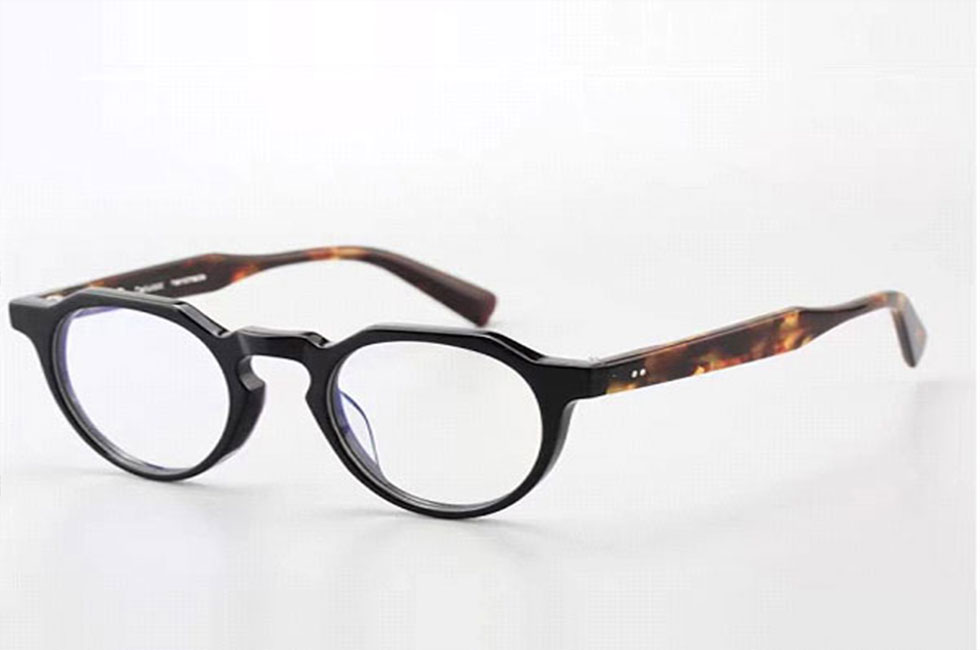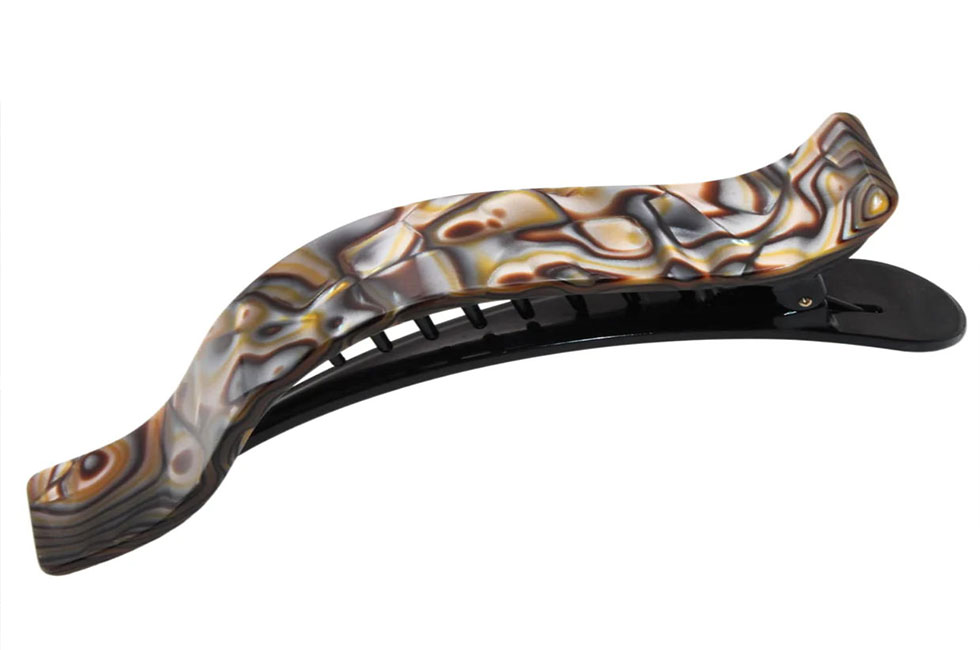
1. Highly realistic appearance and flexible style
Highly realistic natural texture reproduction: It accurately mimics the pearlescent luster and fine lines of natural shells, as well as the veining and gradient effects of marble, visually comparable to natural materials but at a lower cost. For example, the iridescent luster of shell texture and the ink-wash effect of marble can be achieved through process adjustments, resulting in a more uniform texture distribution than natural stone, more in line with design requirements.
Highly adaptable to styles: Customizable to create a variety of styles, including retro, marine, light luxury, and minimalist, with flexible adjustments to color, texture, and gloss (matte/gloss). In contrast, the texture of natural stone is uncontrollable, and metal decoration styles are relatively monotonous (mostly industrial or luxury). 2. Lightweight Material, Easy Processing
Weight Advantage: Celluloid film has a low density (approximately 1.3-1.4g/cm³), significantly lighter than natural stone (e.g., marble, approximately 2.7g/cm³) and sheet metal (e.g., copper, approximately 8.9g/cm³). This makes it suitable for weight-sensitive applications, such as jewelry, clothing embellishments, and hanging home accessories, reducing load-bearing stress and improving safety.
Easy Processing: Celluloid film can be formed into any shape (round, irregular, curved, etc.) through simple processes like cutting, stamping, bending, and gluing, and its edge treatment resists chipping. Natural stone, on the other hand, is difficult to cut and prone to breakage, while sheet metal requires specialized equipment for welding or bending. Fabrics are prone to deformation and are difficult to shape.
3. Controllable Cost, Better Value
Low Raw Material Cost: Compared to natural shells (which are expensive due to their scarcity) and natural marble (which has high mining and transportation costs), celluloid film, made primarily from cellulose nitrate, offers lower unit costs in mass production. Reduce additional costs: There is no need to pay high mining, processing and transportation fees like natural stone, nor is there a need for complex surface anti-corrosion treatment like metal decoration, and the processing loss rate is low (about 5%-10%, much lower than the 20%-30% of stone).
What are the advantages of shell marble celluloid film compared to other decorative materials?
Share This Story, Choose Your Platform!
About the Author: allen@echo-plastic.com