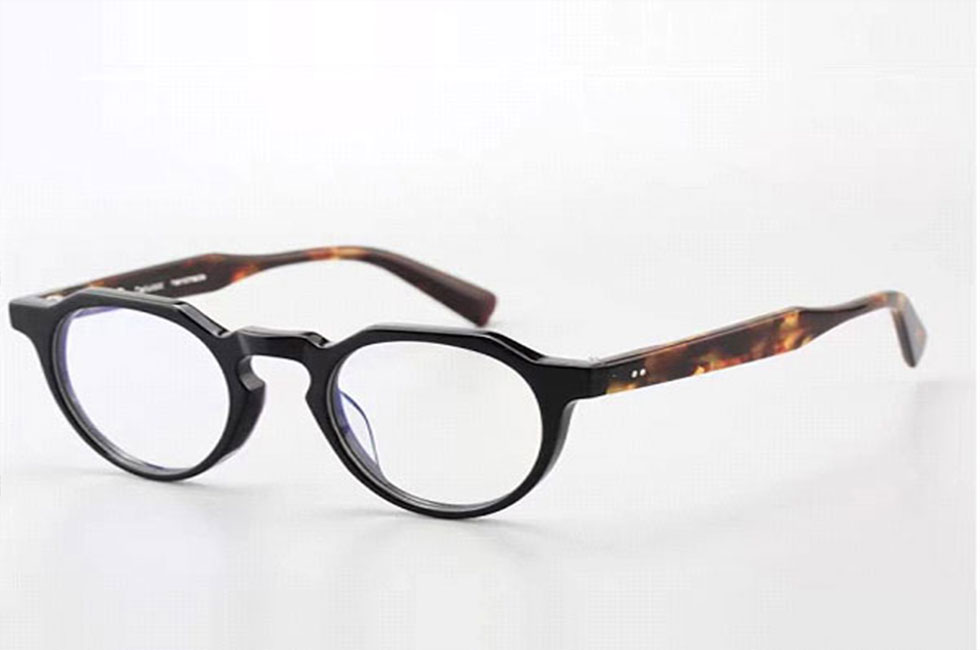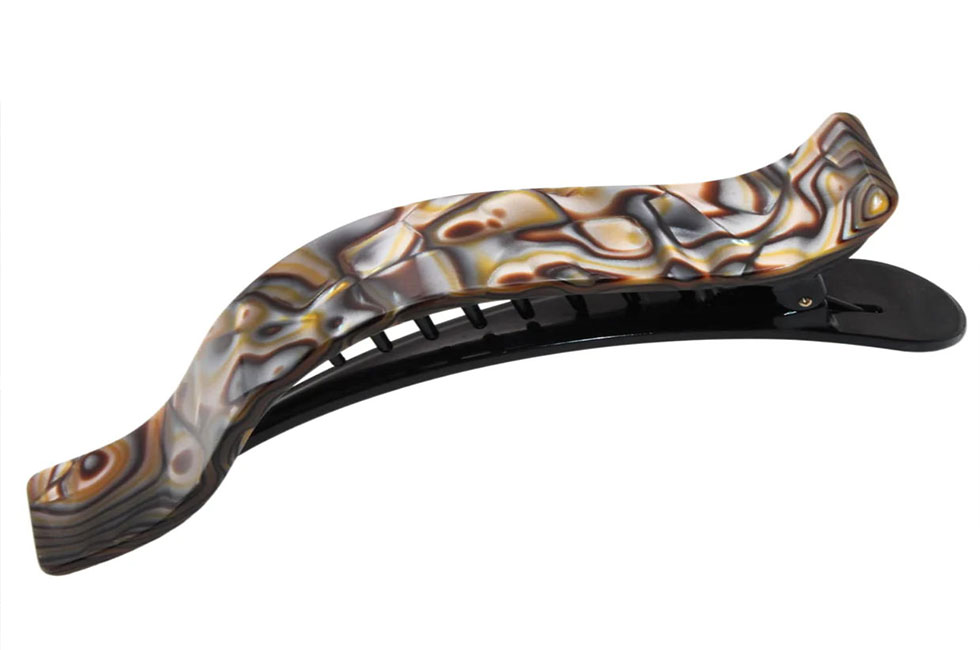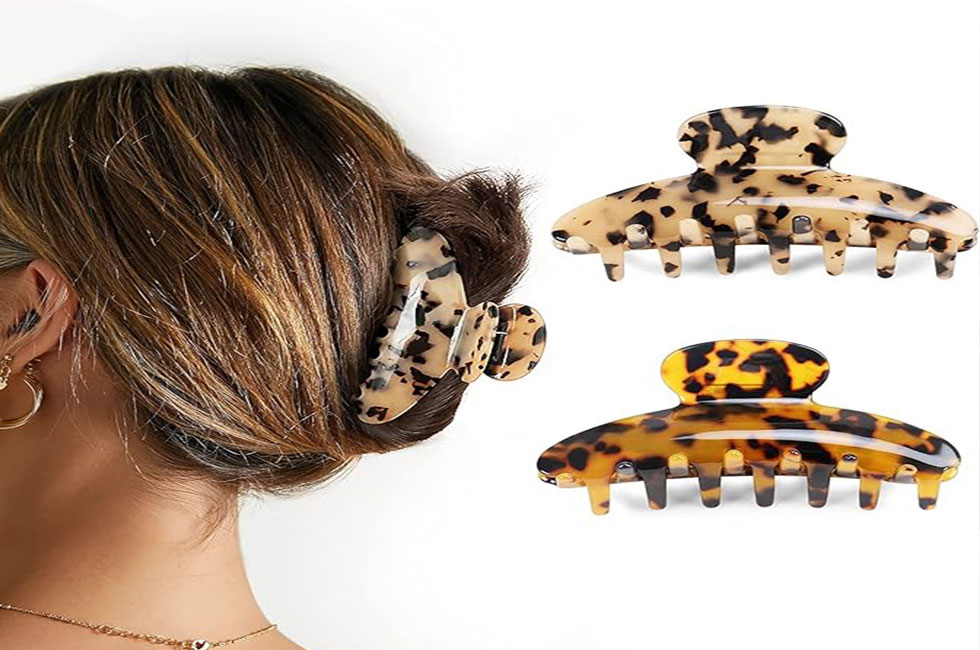
1. Clarify core requirements to avoid mismatching function and application
Clearly define the intended use: First, clearly define the film’s end-use application (e.g., jewelry, clothing decoration, home veneer, etc.), as different applications have significantly different requirements for material thickness, toughness, and weather resistance. For example:
Clothing decoration requires flexibility and lightness to avoid excessive thickness that may cause discomfort;
Home veneer requires consideration of wear and temperature resistance, and it is necessary to determine whether additional coating reinforcement is required.
2. Focus on material properties and process limitations
Process feasibility assessment:
Texture complexity: Excessively fine textures (e.g., nano-scale lines) may exceed the limits of the embossing process. Confirm with the supplier whether the mold precision is compatible. It is recommended to first test the texture reproduction using a sample.
Size limitations: Large films (e.g., over 1 meter wide) may exhibit splicing artifacts. Confirm whether seamless splicing or reasonable seams are acceptable. For small, custom-shaped cuts (e.g., complex curves), confirm tool precision to avoid edge burrs. Surface treatment compatibility: If both “high gloss + wear resistance” are required, it is necessary to confirm whether the coating processes conflict (some wear-resistant coatings may reduce gloss). It is recommended to give priority to suppliers with mature composite processes.
What should you pay attention to when customizing shell marble celluloid film?
Share This Story, Choose Your Platform!
About the Author: allen@echo-plastic.com