Celluloid vs Cellulose Acetate Sheets: What Is the Difference?
Celluloid vs Cellulose Acetate Sheets: What Is the Difference?
Celluloid and cellulose acetate are both cellulose-derived plastics with a long history in eyewear, decorative products and specialty manufacturing. Because both can be produced in attractive colors, patterns and polished sheet forms, they are sometimes treated as interchangeable. They are not. Their chemistry, fire behavior, processing requirements, aging characteristics and typical applications are different.
This guide explains the practical differences between celluloid sheets and cellulose acetate sheets so buyers, designers and manufacturers can compare the materials based on the actual application rather than appearance alone.
1. Composition and Safety: Cellulose Nitrate vs Cellulose Acetate
Celluloid is a historic plastic based on cellulose nitrate combined with a plasticizer, traditionally including camphor. NOAA CAMEO Chemicals identifies celluloid as highly flammable and notes that some forms may ignite in contact with air or moisture. This makes storage, transportation and processing an important consideration when celluloid is selected.
Cellulose acetate is produced by chemically modifying cellulose through acetylation. Cellulose is a renewable feedstock, and commercial cellulose-acetate materials are used in eyewear and other applications. It is generally less flammable than nitrate celluloid, but it should not be described as non-combustible or fireproof. Exact fire behavior depends on the grade, additives, thickness and test method.
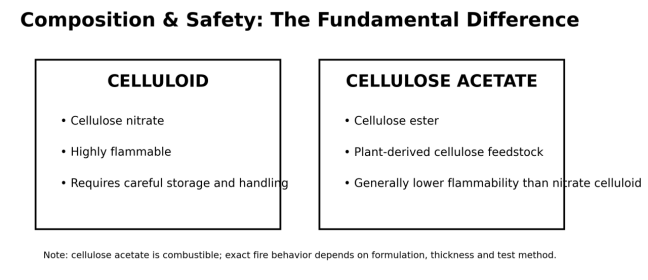
Figure 1. Simplified composition and safety comparison. Always verify the exact grade-specific safety documentation.
2. Processing, Production and Cost Considerations
Traditional celluloid production is associated with conditioning and maturation steps and can involve more specialized handling and finishing. Historical production methods may require long aging or conditioning periods, contributing to its specialty character and higher production complexity.
Cellulose acetate is compatible with more standardized industrial processing. Depending on the grade and sheet construction, manufacturers can use sheet production followed by cutting, machining, polishing and other secondary operations. Eastman, for example, describes cellulose-based materials as suitable for sheet production and secondary processing in eyewear applications.
For buyers, it is better to compare the actual quotation, minimum order quantity, sheet thickness, color construction, processing requirements and production lead time than to assume that one material always has a lower cost. Material grade and manufacturing method can significantly affect the final price.
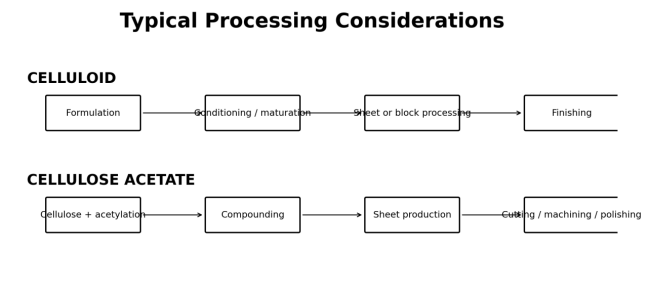
Figure 2. Simplified processing comparison. Exact manufacturing steps vary by supplier and product grade.
3. Performance and Typical Applications
Celluloid is valued for its distinctive visual character and traditional association with heritage products. It has historically been used in eyewear and specialty goods where a vintage appearance and traditional material identity are important.
Cellulose acetate is widely used for eyewear frames and components. Technical information from Eastman lists good toughness, hardness, strength, surface gloss, clarity and a warm feel among the attributes of its cellulosic materials. The exact balance of properties changes with formulation and plasticizer level.
For modern sheet applications, the exact product specification matters. Buyers should evaluate hardness, impact strength, chemical resistance, optical clarity, dimensional stability, scratch resistance and machining behavior according to the intended use rather than relying on the material name alone.
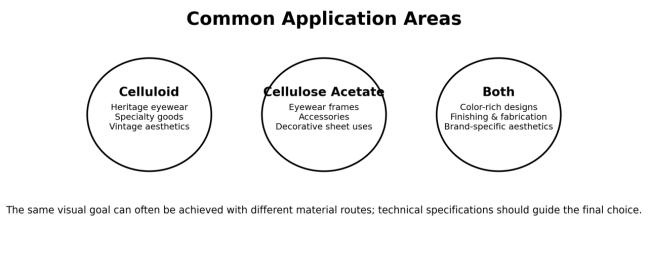
Figure 3. Typical application areas for celluloid and cellulose acetate.
4. Environmental and Sustainability Considerations
Cellulose acetate has an important renewable-feedstock advantage because its cellulose component can come from plant-based sources such as wood pulp. Eastman states that its cellulosic materials are made from trees harvested from sustainably managed forests, and some newer acetate products combine biobased content with certified recycled content.
However, it is not accurate to label every cellulose acetate sheet as automatically biodegradable, compostable or environmentally harmless. Sustainability depends on the specific formulation, additives, production process, sourcing and end-of-life pathway. Likewise, celluloid should be evaluated based on its actual chemistry and life-cycle characteristics rather than a simple environmental label.
5. Color, Pattern and Surface Appearance
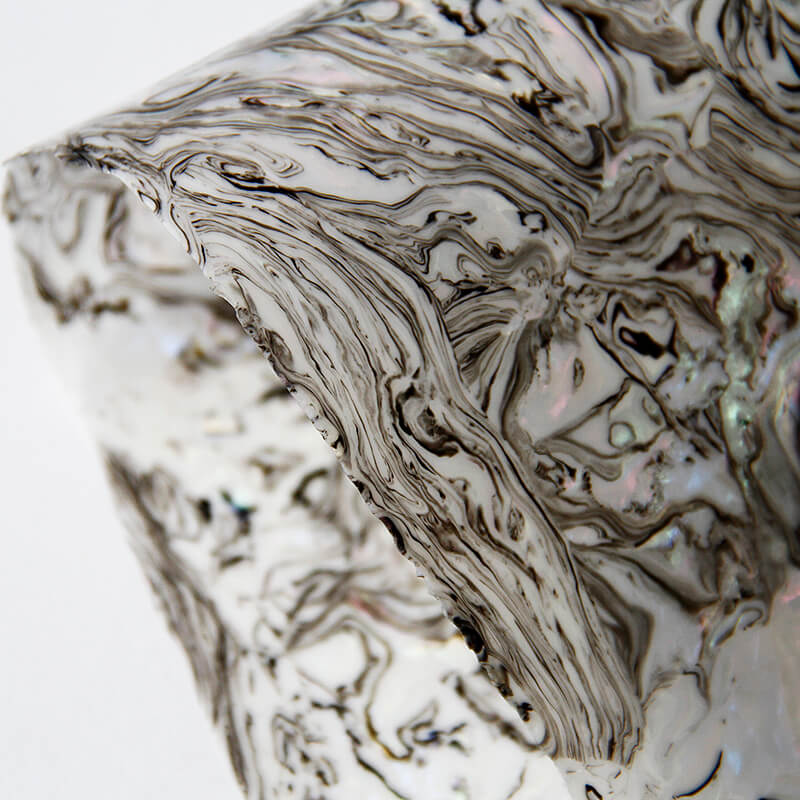
One reason celluloid remains attractive is its distinctive layered and vintage visual character. Traditional celluloid can produce deep color effects that are strongly associated with heritage eyewear and specialty craftsmanship.
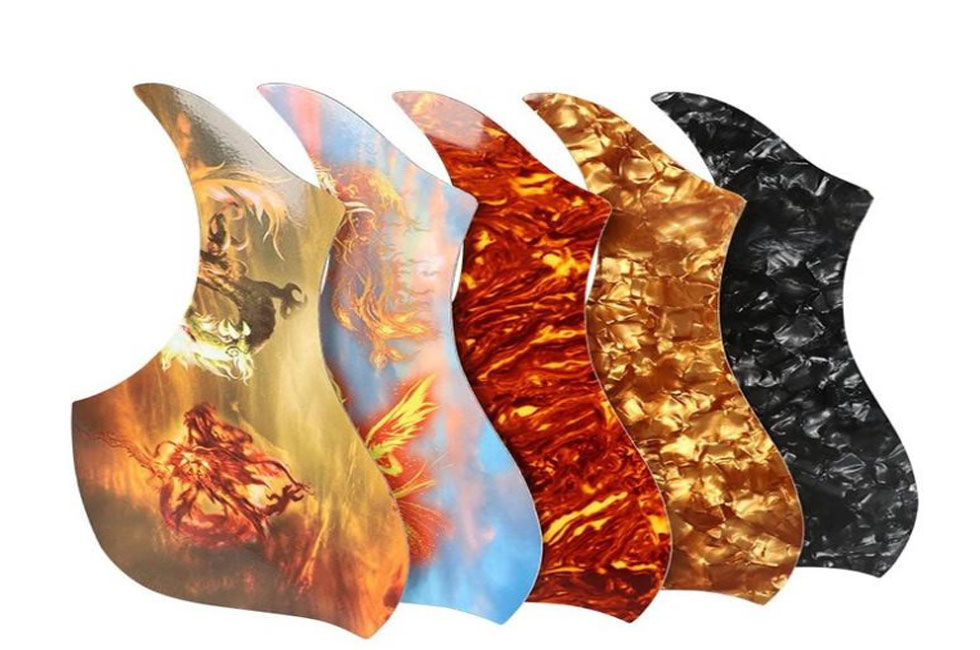
Cellulose acetate can also support a very broad design language. Commercial acetate materials are available in many colors and can be produced as transparent, translucent, solid, gradient or patterned constructions. This gives modern eyewear and accessory brands considerable flexibility when developing coordinated collections and repeatable color families.
6. Celluloid vs Cellulose Acetate: Quick Comparison
| Factor | Celluloid | Cellulose Acetate |
| Base chemistry | Cellulose nitrate + plasticizer | Acetylated cellulose / cellulose ester |
| Fire behavior | Highly flammable; requires careful handling | Generally lower flammability than nitrate celluloid, but still combustible |
| Processing | More specialized in traditional production | Well suited to standardized sheet processing and secondary fabrication |
| Appearance | Distinctive heritage / vintage character | Wide range of colors, patterns, translucency and finishes |
| Typical uses | Heritage eyewear and specialty goods | Eyewear, accessories and decorative / specialty sheet uses |
| Sustainability | Requires careful assessment of chemistry and life cycle | Can contain renewable cellulose; exact profile depends on formulation and supply chain |
| Selection focus | Traditional aesthetics and material character | Repeatable design, modern processing and broad color options |
7. Which Material Is Better for Your Project?
There is no universal answer because the two materials serve different design and manufacturing priorities. Celluloid may be considered when traditional appearance and heritage material character are central to the product, provided that its handling and applicable safety requirements can be met.
Cellulose acetate is commonly selected when manufacturers need a modern cellulose-based material with broad color possibilities, established eyewear applications and practical secondary processing. Eastman reports that acetate-based materials can be fabricated using sheet production methods and can be edge-polished and joined using common eyewear fabrication techniques.
Before purchasing, confirm the exact sheet grade, thickness, color construction, processing method, storage requirements and relevant safety documentation. This is especially important when the sheet will be laser cut, CNC machined, polished, bonded or used in a product exposed to heat or chemicals.
Conclusion
Celluloid and cellulose acetate sheets share a cellulose heritage, but they are fundamentally different materials. Celluloid is based on cellulose nitrate and is strongly associated with historical aesthetics, while cellulose acetate is a more widely used modern cellulose-based material for eyewear and specialty sheet applications.
The most important differences are chemistry and fire behavior, processing practicality, aging and handling considerations, material properties, and the range of modern design options. For buyers comparing celluloid sheet and cellulose acetate sheet, the safest approach is to compare the technical data and intended use of the exact product grade instead of relying on broad material claims.
If you would like to know more, please contact us.
Contact our team
If you are interested in our article after reading it, please do not hesitate to send us an email to express your thoughts.