Why the Military Still Uses “Flammable” Celluloid
Celluloid is the oldest commercial thermoplastic resin in the world. Manufacturers make it from low-nitrogen nitrocellulose, also called collodion cotton, and plasticize that pulp with camphor. Civilian industries have largely retired the material, because it is extremely flammable, ages poorly and cracks easily. Military celluloid, however, still holds an irreplaceable place in ammunition production. The reason sits in its chemistry: nitrocellulose is a structural material and an energetic material at the same time.
That dual role answers a question buyers ask us almost every month. Why would an army keep a plastic that burns so readily? The short answer is that the burning is the point. A material that disappears in a controlled flash can protect a propellant charge and then leave the chamber clean.
How Military Celluloid Is Made
A sheet of celluloid contains three ingredients. The first is nitrocellulose, a nitrate ester of cellulose. The second is camphor, a plasticizer that turns a brittle polymer into a flexible film. The third is a small amount of stabilizer, plus dye or filler where the grade requires it.
Nitrogen content decides the grade, and therefore the behaviour. Industrial and military celluloid uses low-nitrogen pulp, generally between 10.5 and 11.2 percent nitrogen. At that level the material still forms a tough, transparent film. It also burns steadily instead of detonating. Above roughly 12.5 percent nitrogen the same molecule becomes guncotton, a propellant rather than a plastic. The border between packaging film and explosive is therefore a matter of a few percent.
What Military Celluloid Does Inside a Cartridge
Published military-application notes from celluloidsheet.com (Ecoloid Celluloid Co., Ltd.) describe how film and sheet based on nitrocellulose behave in service. The material adapts well to special operating environments, because it resists moisture, resists acids and alkalis, seals tightly, and keeps a certain mechanical strength. On that basis the company describes it as “extremely suitable for the launch systems of medium- and large-caliber weapons.”
Inside a cartridge or a powder-bag shell, the film works two jobs at once. First, it acts as a protective casing. It keeps the propellant dry and shields it from knocks during storage and handling. Second, it acts as a charge in its own right. At firing it gasifies rapidly, so it adds energy instead of leaving a husk behind.
Residue is the practical payoff. Rapid gasification leaves almost no solid matter in the chamber. As a result, the combustion-chamber pressure curve stays stable from round to round. Gunners get consistent muzzle velocity, and maintenance crews spend less time cleaning.
The Conditions That Decide the Grade
Field storage is rarely gentle. Propellant bags sit in steel containers for years. They pass through humid depots, coastal bases and desert ranges before they ever reach a gun line. Under those conditions the useful properties of celluloid are the boring ones: moisture resistance, chemical resistance and a reliable seal.
Moisture matters most. Water vapour changes burn rate, and an unstable burn rate changes chamber pressure. A sealed celluloid wall blocks that transfer. Acid and alkali resistance matters for a second reason. Propellant decomposition slowly produces acidic species, and those species attack many polymers. A film that resists them protects the charge and keeps shelf life predictable.
The core paradox: flammability is a defect in a comb, a camera film or a spectacle frame. In a cartridge it is a function. Military celluloid delivers a controlled gasification that no ordinary plastic can replicate, and that is exactly why it cannot be fully replaced.
How the Requirements Change Between Markets
The same polymer is judged by opposite standards in the two markets. A short comparison makes the logic clear.
| Requirement | Civilian use | Military celluloid |
|---|---|---|
| Fire behaviour | Must not burn | Must gasify fully at firing |
| Residue | A cosmetic concern | Must stay close to zero |
| Service life | Years of daily handling | Years in sealed storage |
| Failure mode | Cracking and yellowing | Pressure curve drift |
| Regulatory focus | Consumer safety | Storage and transport class |
Why Ordinary Plastics Cannot Replace It
Buyers often ask whether polyethylene, polypropylene or PET could do the same job for less money. On paper the price looks attractive. Inside the chamber the comparison collapses, because residue decides the outcome.
Polyethylene and polypropylene melt into droplets and leave a waxy deposit. PVC carries chlorine into the system and releases hydrogen chloride gas. PET leaves hard ash and can throw molten particles. None of the three contributes energy to the shot, and each one adds cleaning work. Military celluloid avoids all four problems at once.
Limits That Military Celluloid Still Has to Manage
Military celluloid is not a miracle material, and no honest supplier will pretend otherwise. Three constraints show up in every serious specification.
- Ageing. Camphor migrates slowly out of the film. As the plasticizer leaves, the sheet stiffens and can crack along a fold. Stabilizer level and storage temperature control that drift.
- Heat. Long exposure to high temperature accelerates decomposition. Depots therefore cap storage temperature and rotate stock on a fixed cycle.
- Static and handling. Dry film can hold a static charge, and a sharp crease creates a weak point. Packing lines control humidity and avoid tight folds for that reason.
Film, Sheet and Roll: What Buyers Specify
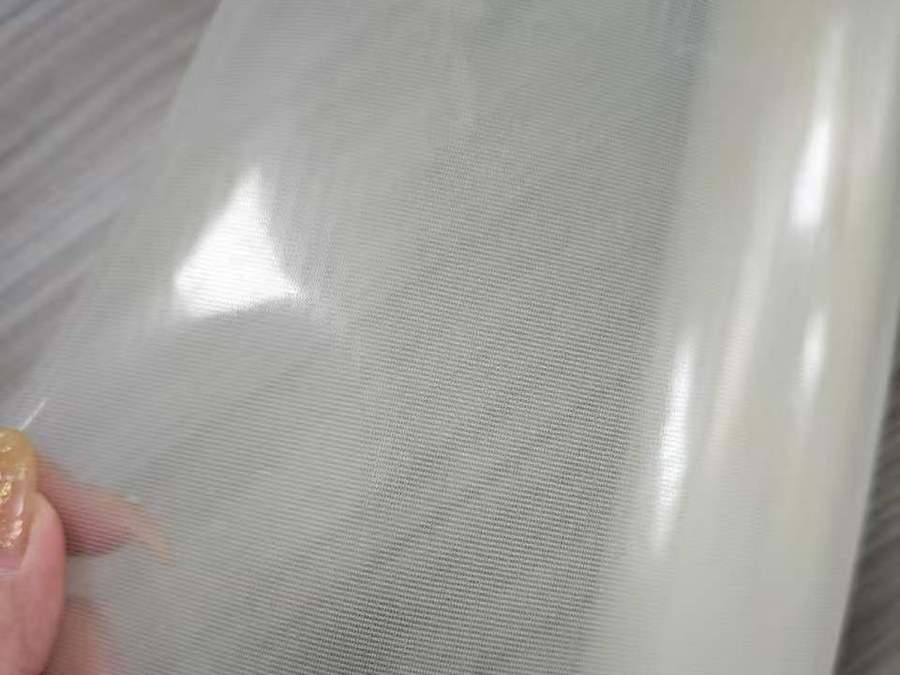
Traditional supply arrives as flat sheet, usually 0.15 mm thick and 1600 mm by 700 mm. That format suits manual cutting and small batches. Modern lines want continuous material instead, which is why a military celluloid roll for automated packaging lines now sits alongside the classic sheet format.
Thickness tolerance matters more than nominal thickness. A 0.15 mm sheet that drifts to 0.17 mm changes the charge weight in every case, and the pressure curve shifts with it. Buyers who run automated forming equipment therefore specify a tolerance band rather than a single number.
Where the film becomes a finished component rather than raw material, military celluloid film is supplied in cut sizes, rolls and transparent grades.
Frequently Asked Questions
Is military celluloid the same as guncotton?
No. Both are nitrocellulose, but nitrogen content separates them. Military celluloid stays near 10.5 to 11.2 percent, which keeps it a plastic. Guncotton sits above 12.5 percent and behaves as a propellant or an explosive.
Can cellulose acetate replace celluloid in ammunition cases?
Rarely. Acetate is safer to store and carries lighter transport restrictions. However, it does not gasify as cleanly and it leaves more residue in the chamber. For critical launch systems that trade is usually unacceptable.
How should military celluloid be stored?
Keep it cool, dry and out of direct sunlight. Store rolls upright to avoid flat spots, and rotate stock first in, first out. Follow the transport class printed on the supplier data sheet.
Sourcing Military Celluloid for Defense Programs
Ecoloid Celluloid Co., Ltd. produces nitrocellulose film and sheet for military packaging at its plant in Jiujiang, Jiangxi Province. Our separate note on the advantages of celluloid as a weapon launch system covers the ballistic side in more detail.
Send your thickness range, width and nitrogen specification to puff@echo-plastic.com, or call +86 152 7025 9402. Our team will confirm the grade, quote the sheet or roll format, and arrange samples before you commit to a production run.

Contact our team
If you are interested in our article after reading it, please do not hesitate to send us an email to express your thoughts.